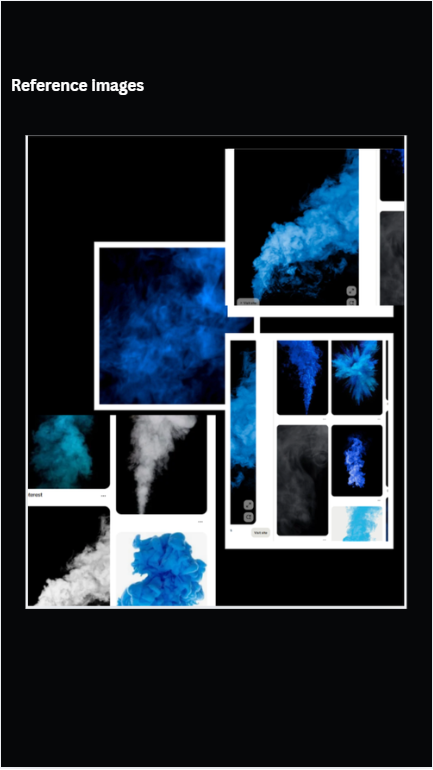
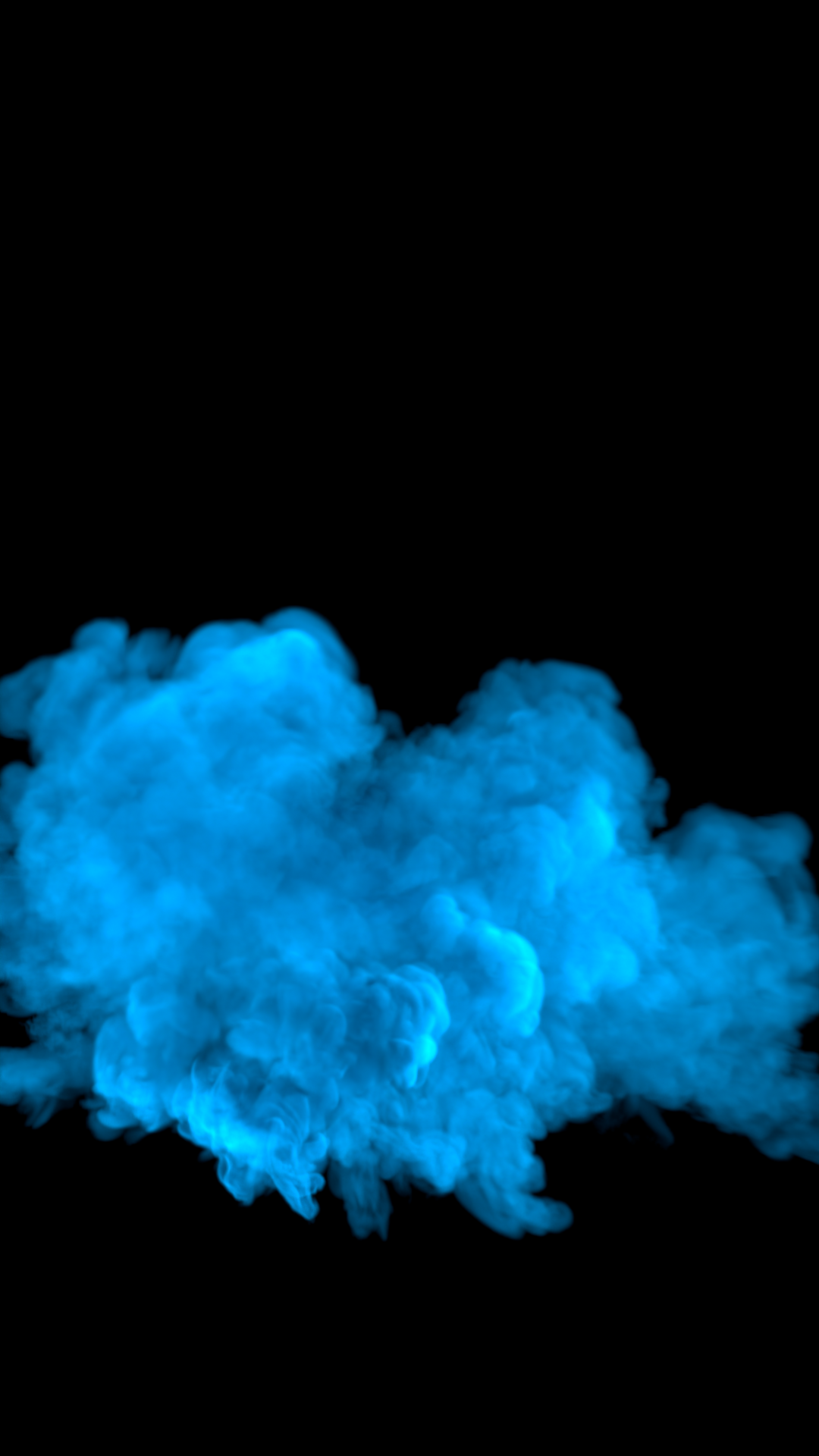
Blue smoke
High-precision controlled smoke output.
Focused on a single portion of the simulation to really showcase the form and detail of the smoke. The soft , rolling motion give it a natural, almost fluid-like behavior that I find really fascinating to study and shape.
This process was a great learning experience, helping me better understand smoke flow, shaping techniques, and efficient volumetric workflows.
prioritizes resolution over scale, using a tight 0.05 voxel size, captured subtle secondary curls and whispy edges with 1.1 million active cells, rendered in Redshift for soft volumetric scattering.
Process Breakdown
Focused on keeping only the essential fields — Density and Velocity —finally, rendered the result in Redshift.
In look development, the Redshift Volume Shader turns Houdini VDB data into cinematic smoke and fire.
Volumetric Scattering: The RS Volume node uses the density grid to define the smoke’s structure.
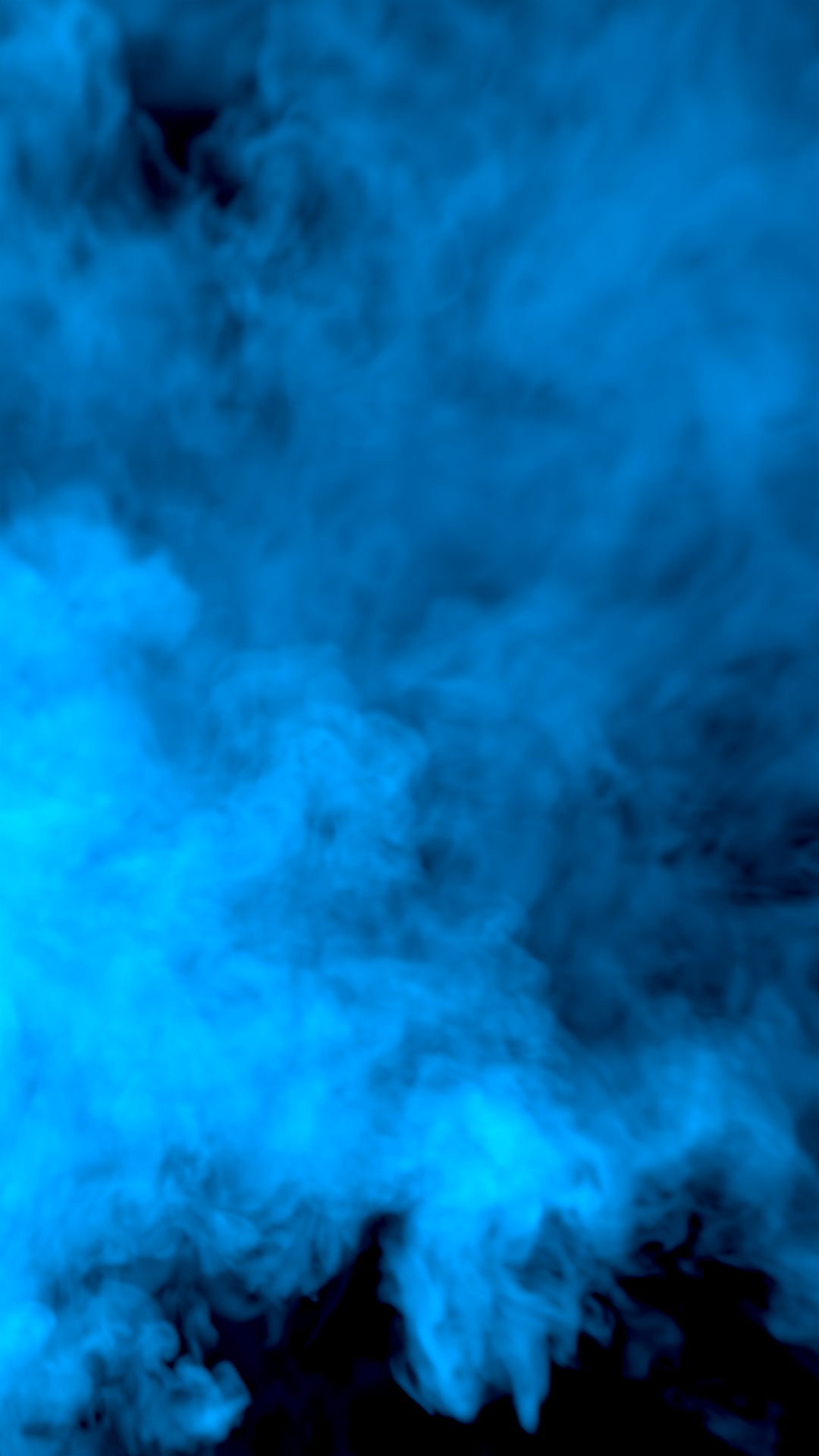
A cyan tint and low scatter coefficient are applied that allowing light to penetrate and wrap around the smoke curls.
Absorption & Thickness: Low absorption values maintain a soft, translucent feel, while higher values can be used to create the dark, “inky” shadows seen in heavy explosions.
Redshift Render Object (the ROP node) in Houdini, the “Main” options are split between what to render and how to render it.
Primary Engine (Brute Force): calculates light bounces frame-by-frame, which is essential for volumes. It ensures that the bright “fire” inside your smoke actually casts light onto the nearby “smoke” particles.